About us
The TA T – Tieranatomical Theater is a public institution for culture and research.
Built in 1790 as an anatomical theatre for veterinary teaching, it now once again forms part of Humboldt-Universität zu Berlin and is affiliated with the Center for Cultural Techniques. Its more than 230-year history as a “theatre of knowledge” continues to shape the identity of the TA T as a place of encounter between different forms of knowledge.
The TA T is a space of exchange between knowledge communities within and beyond the university, as well as with diverse publics. The work of the TA T consists in fostering resonances between academic research and other knowledge practices, and translating them into spatial, sensory, and accessible experiences, including critical perspectives and controversy. In this way, academic research is brought into relation with different sensibilities and historically marginalized forms of knowledge, gaining social relevance and accessibility.
Through exhibitions, performances, concerts, workshops, and conversations, the TA T creates experiences of different modes of perception and participation in knowledge that emerge through the interplay of research, aesthetic practices, and social experience.
Located at the North Campus of Humboldt-Universität zu Berlin in central Berlin, the TA T is both a historic site of science and a multifaceted, identity-shaping part of Berlin’s urban fabric. The entanglement of university history and urban society opens up a space in which historical, social, and contemporary urban questions can be addressed productively and critically, with ecological, decolonial, and inclusive perspectives serving as key points of reference.
As a museum without its own collection, the TA T engages with the scientific collections of Humboldt-Universität zu Berlin as points of departure for developing new relational forms of perception and shared knowledge production.
Projects at the TA T are developed in collaboration with actors from academia, cultural institutions, the arts, and civil society. They evolve over extended periods through shared processes of work and research. The TA T understands itself as a space of ongoing negotiation, in which visitors encounter processes in progress, open questions, and differing perspectives, and are invited to actively participate in these negotiations.
-
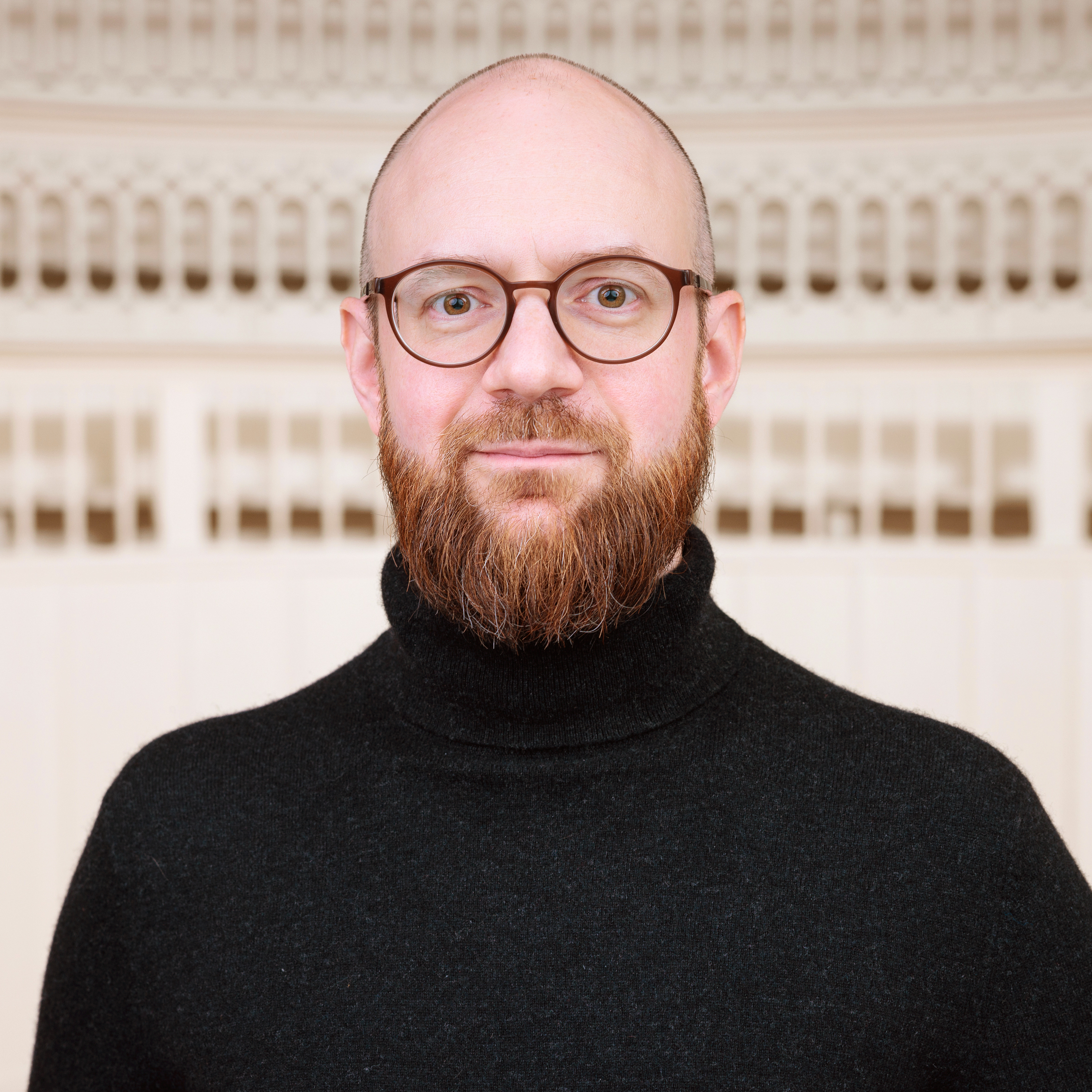
Felix Sattler
Head, Curator
-
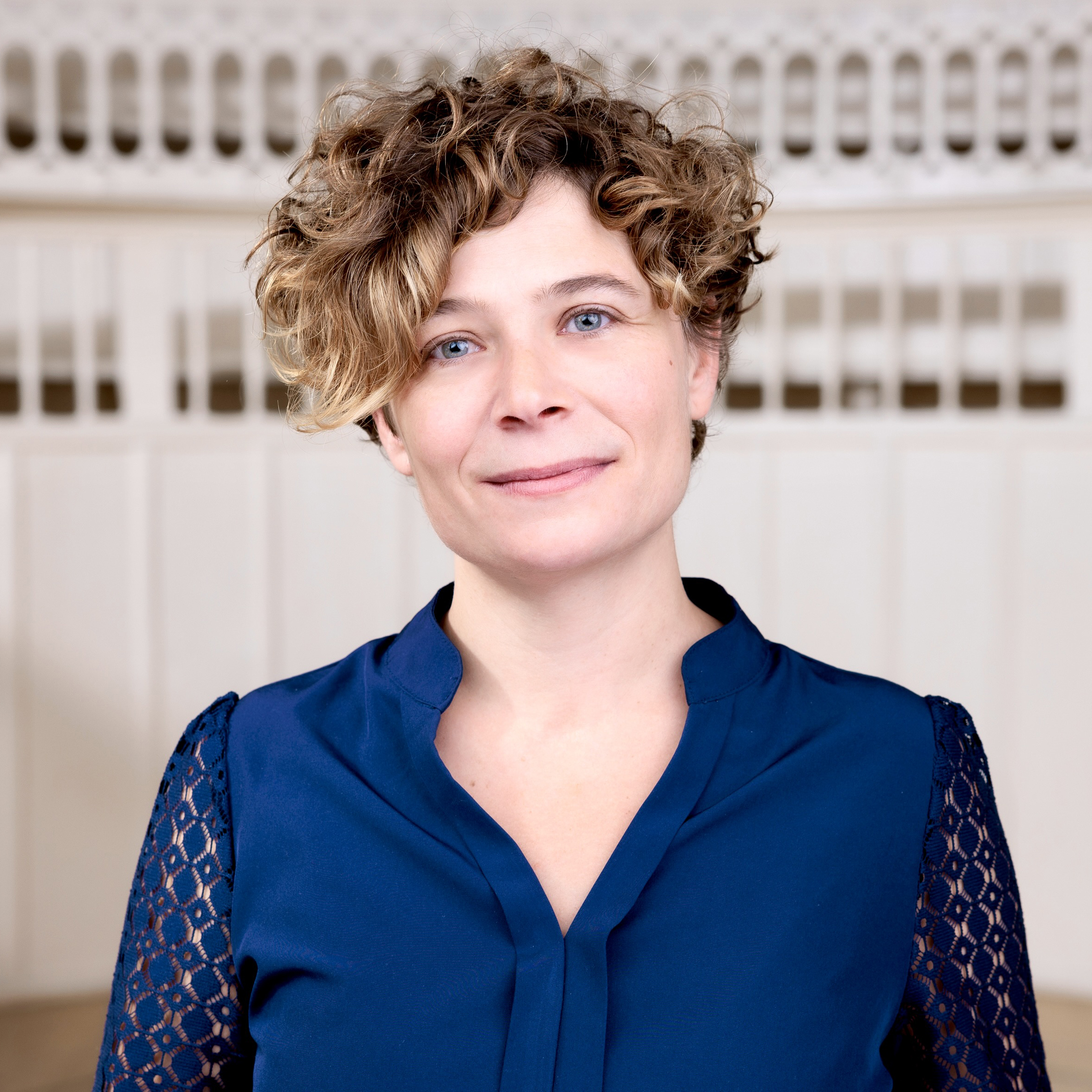
Paz Ponce
Curator for Outreach and Public Programmes
-
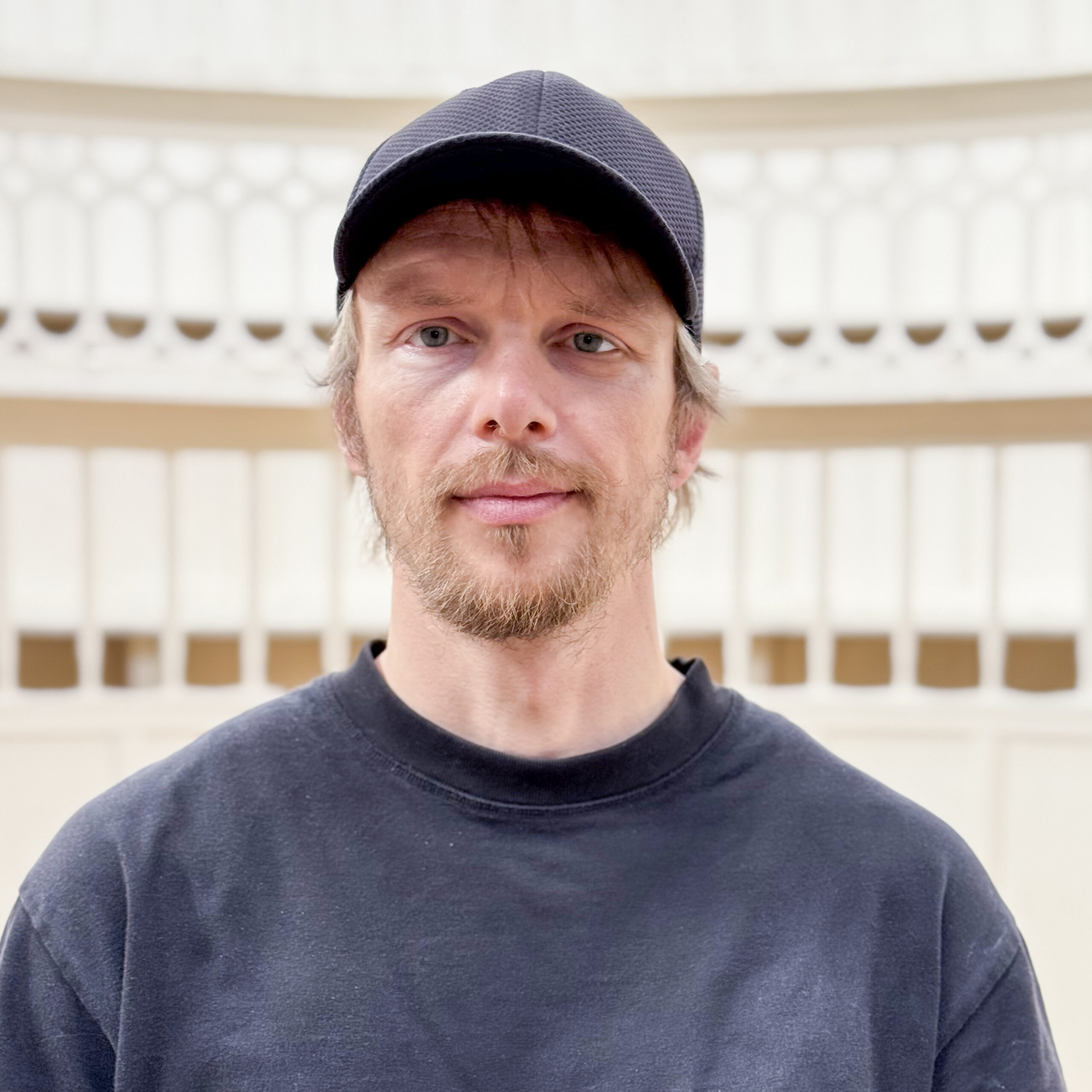
Caspar Pichner
Production, Scenography
-
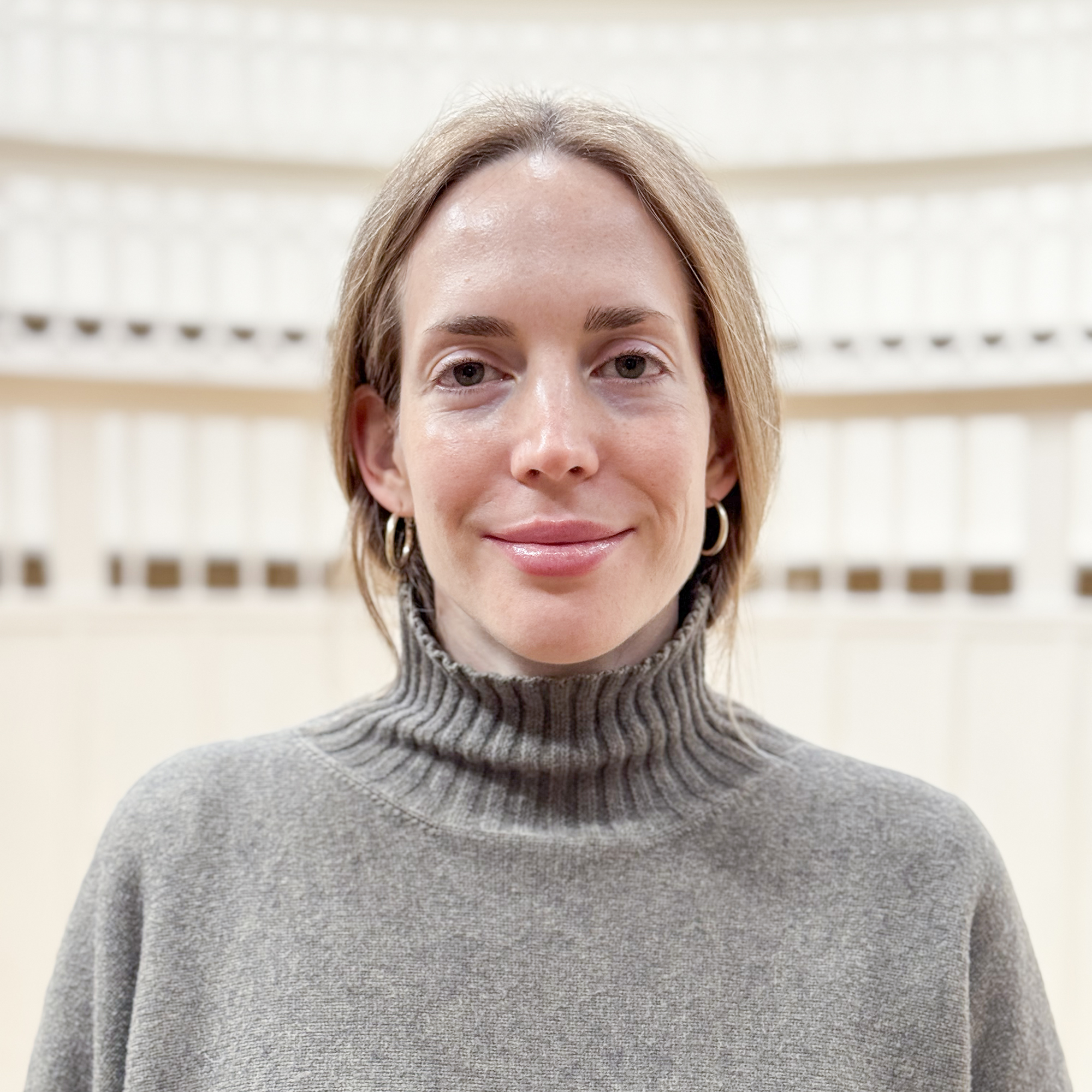
Antonia Willisch
Project Management
-
Fanny Welz
Production
-
Frederike Nolte-Jaedicke
Public Relations
Since 2012, the TA T – Tieranatomische Theater has been a venue of the Center for Cultural Technology (ZfK) at Humboldt University in Berlin.
The ZfK is a transdisciplinary theory and practice-oriented research and teaching central institute of the Humboldt-Universität zu Berlin. It focuses on cultural techniques in the sense of practices for the production, transmission and processing of knowledge.
The ZfK is one of the few established platforms, nationally and internationally, on which experts in material culture and cultural techniques, epistemologists, curators and artistic researchers come together in an inspiring, theory-driven environment. Founded in 1999, the ZfK was established in order to create synergies out of unconventional collaborations across all faculties, including the natural sciences and the humanities, from which its members are drawn, as well as curatorial and artistic practices.
The University’s own collections and exhibition spaces, including the Humboldt Labor in the Humboldt Forum, the Tieranatomisches Theater and the Kleine Humboldt Galerie, fall under the ZfK’s direction. This allows it to act as an innovative research hub with affiliations and impact far beyond the university and the academic community. Transdisciplinary use of academic collections is a major focus of its work. It is responsible for the Lautarchiv and the Kunstsammlung, as well as for the coordination of all the University’s collections, which are shared with the public in a digital database, as well as through inclusion in exhibitions, teaching and artistic research. The internationally renowned Coordination Centre for Scientific University Collections in Germany is also based at the ZfK.
The ZfK is dedicated to designing innovative and effective formats for knowledge exchange. It makes its research accessible and its research processes transparent through university teaching, conferences, publications, exhibitions and public events. This allows it to bring the University’s own heritage and research to diverse publics and into wider socio-political debates, nationally and internationally.
Director: Prof. Dr. Sharon Macdonald
Vice Director: Prof. Dr. Daniel Tyradellis
Manager: Dr. Elisabeth Lack
TA T is a widely recognised partner for research-based and experimental projects. The projects at TA T are developed through a wide range of transdisciplinary and international collaborations with collections and institutes at Humboldt University, as well as with museums, universities, associations, foundations, theater and music ensembles, and independent cultural practitioners, including, to date, the Museum of Natural History, the Charité Museum of the History of Medicine, the MARKK – Museum am Rothenbaum: Arts and Cultures of the World in Hamburg, the KW Institute for Contemporary Art Berlin, the Sophiensælen, and the Phyletisches Museum in Jena. In addition to in-house productions, external initiatives are also jointly developed.
- Berliner Medizinhistorisches Museum der Charité (“Meshwork of Things”, 2019; “Object Lab”, 2018/19; „On the Edge“, 2015)
- Berlin Postkolonial e.V. (“The Dead, as far as [ ] can remember”, 2018–19)
- Ethnologisches Museum Dahlem / FU Berlin (“The Skull of Mangi Meli”, 2018)
- Flinn Works e.V. (“The Skull of Mangi Meli”, 2018; “The Dead as far as [ ] can remember”, 2019)
- Freie Universität Berlin, Fachbereich Veterinärmedizin (“GRRLT”, 2016; “Meshwork of Things”, 2019)
- Hochschule für Musik Hanns Eisler Berlin (“Polymythos”, 2014)
- Humboldt-Forum Kultur GmbH / Stiftung Humboldt Forum
- MARKK Hamburg (“UnBinding Bodies”, 2021—23)
- Museum für Naturkunde (“HUMANIMAL”, 2013/14; “Mensch Macht Pferd”; 2014/15, “Temporary Object Lab”, 2018/19; “Oliver Thie”, 2020/21)
- Phyletisches Museum Jena (“Orobates”, 2016)
- Stiftung Schloss Friedenstein Gotha (“Orobates”, 2016)
- Stiftung Stadtmuseum Berlin (“Garden of Science – Nature Guide to the Campus Nord”, 2014–16)
- Universität Erfurt, Laborgruppe Kulturtechniken (“Plant Communication”, 2016–18)
- Centre for Anthropological Research on Museums and Heritage – CARMaH (“The Dead, as far as [ ] can remember”, 2019)
- Embassy Singers (Concerts 2015/16)
- Cluster of Excellence Image Knowledge Gestaltung, Humboldt-Universität zu Berlin (“Replica Knowledge”, 2016/17; “Temporary Object Lab”, 2018/19)
- Cluster of Excellence Matters of Activity, Humboldt-Universität zu Berlin (“Stretching Materialities”, 2021;
“Daoula: Material Knowledge on Wild African Silks”; 2020–22, “BLOOMS”, 2025) - Flohzirkus Birk (“Unsere Tiere”, 2014)
- Fräulein Brehms Tierleben (Performances 2015–17)
- HEAD: Haute école d‘art et de design Genève (Workshop in cooperation with Animal Sound Archive/MfN, 2016)
- CUCO Curatorial Concepts (“Longing for Landscape”, 2016)
- Satellite Salon Berlin (“On the Edge”, 2015)
- Schwules Museum* and SF MOMA (“The Formaldehyde Trip”, 2016)
- Animal Sound Archive (Tierstimmenarchiv) at the Museum für Naturkunde (Moritz Fehr “Inversion”, 2014; Workshop “HEAD”, 2016; “Meshwork of Things”, 2019)
- Universität der Künste – UdK, Institute for Art in Context (“Unsere Tiere”, 2014)
- Zentralmagazin Naturwissenschaftlicher Sammlungen, Martin-Luther-Universität Halle Wittenberg (“Unsere Tiere”, 2014, “The World as Forest”, 2017/18)
- Zoologisches Museum Hamburg (“The world as Forest”, 2017)
- Kunsthochschule für Medien Cologne (“Hörner/Antlfinger: Parrot Terristories”, 2024/25)
- Käte Hamburger Kolleg inherit. heritage in transformation (inherit x TA T, 2025–ongoing)
The TA T – Tieranatomisches Theater understands itself as a space in which different perspectives, experiences, and forms of knowledge come together and enter into open exchange. Our work with diverse publics and historically marginalised forms of knowledge is inseparable from the question of how participation is made possible and who is able to participate.
We are committed to contributing to an environment that is as free as possible from discrimination and barriers. This applies not only to physical access, but also to the design of formats, the use of language, and the selection and interpretation of content.
Our programme often addresses topics such as colonial violence and questions of personal and collective identity, which are shaped by ongoing societal conflicts and debates, as well as the history of science. We see it as our responsibility to engage these subjects in ways that enable critical reflection, while giving space to the perspectives of those directly affected by them. This also includes a careful approach to modes of representation, as well as the decision not to display certain forms of content or “objects.”
Detailed information about our understanding of accessibility and about practical access can be found on the Accessibility page and under Plan your visit.
If you experience discriminatory or harmful behaviour in the context of our programme or from staff members or visitors, please contact us at: tieranatomisches-theater@hu-berlin.de
Easy Read Version
In Short
The Tieranatomisches Theater
is a place for:
- exhibitions
- events
- research
- art
People from different fields
work together here.
For example:
- science
- art
- society
We want:
People should learn together.
And develop new ideas.
How We Work
Many museums show knowledge
that already exists.
At our institution,
things are often different.
Our exhibitions
are often research projects.
People learn together.
And they develop new questions.
We believe:
Exhibitions can also
create knowledge.
Books, films,
and exhibitions
are different ways
to let knowledge grow.
Each form works differently.
And each form
can make new ideas possible.
We call this:
exhibitions as a way of creating knowledge.
The Building
The Tieranatomisches Theater
is a historic building.
In the past,
animals were shown here
for research and teaching.
Today, the building
is a place for:
- exhibitions
- research
- events
We also talk
about the history of this place.
For example:
- science
- animals in research and teaching
- difficult parts of history
What We Work On
We work on many questions.
For example:
- How is knowledge created?
- Who takes part in creating knowledge?
- Which stories are told?
- And which stories are missing?
We want:
Many different people
should be able
to think and take part.
Working Together
We often work
with other people.
For example:
- researchers
- artists
- museums
- universities
- organisations
- different groups
We believe:
Good collaboration means
learning from each other.
Part of Humboldt-Universität
The Tieranatomisches Theater
is part of Humboldt-Universität
zu Berlin.
It belongs to the
Centre for Cultural Techniques.
We work
with many people
in Germany
and other countries.
Accessibility
We want
as many people as possible
to take part.
We try to:
- reduce barriers
- take different needs seriously
- make information easier to understand
You can find more information here:
Accessibility
Questions?
You can find more information
on our website.
Or write to us: tieranatomisches-theater@hu-berlin.de